When it comes to protecting your home from break-ins, the most effective approach isn't relying on a single security measure—it's creating multiple layers of defense that work together to deter criminals and keep your family safe. Think of it like an onion with several protective layers; each one independently strengthens your security, but together they create a fortress that even determined burglars will likely bypass in favor of easier targets. Layered security, also known as defense-in-depth, combines physical barriers, technological solutions, environmental design, and behavioral practices into a comprehensive home protection strategy. This approach isn't just more effective than any single solution; it's also more affordable than you might think, allowing you to build your security system gradually over time based on your budget and specific vulnerabilities.
Your home's perimeter is the first opportunity to stop an intruder before they ever reach your doors and windows. Start by ensuring your property is well-lit, particularly around entry points, pathways, and dark corners where burglars might hide. Motion-activated outdoor lighting is affordable and highly effective, as most criminals prefer to work in darkness where they won't be noticed. Trim back bushes and trees near windows and doors to eliminate hiding spots and ensure clear sightlines from the street. A well-maintained fence or gate signals that your property is monitored and cared for, which deters casual break-ins. Consider adding thorny landscaping like rosebushes or holly bushes beneath ground-floor windows—they're beautiful and create a painful deterrent. These environmental design elements cost little to implement but signal to potential burglars that your home isn't an easy target.
The second layer focuses on fortifying the physical barriers that control access to your home. Doors are the most common entry point for burglars, so invest in solid core or metal doors rather than hollow-core options that kick in easily. Reinforce door frames with strike plates that extend at least three inches into the wall framing, and use three-inch screws rather than the short screws typically supplied. Deadbolt locks should be grade 1 or grade 2 rated, and keyless smart locks offer the added benefit of remote monitoring and temporary access codes for guests or service providers. Windows deserve equal attention; install locks on all windows, even those on upper floors where burglars might access via a roof or tree. Consider security bars or grilles for basement windows and ground-floor windows that might be obscured from street view. Window film that holds glass together during impact can slow break-ins, and for maximum protection, impact-resistant windows make forced entry dramatically harder and noisier, encouraging criminals to move on.
Modern technology offers powerful tools for controlling who enters your home and when. Smart locks allow you to monitor entry and exit in real-time, receive alerts when doors open unexpectedly, and grant temporary access to trusted visitors without giving them physical keys. Many smart lock systems integrate with your smartphone, enabling you to lock or unlock doors remotely and review activity logs to see exactly when family members arrived home. Keypads eliminate the need to hide spare keys under doormats or flowerpots—common places burglars know to look. For maximum security, use smart locks that require two-factor authentication (like a code plus a fingerprint) to prevent unauthorized access. The psychological benefit is significant too; when burglars see smart locks and cameras, they know your home is monitored and connected, making the risk of capture much higher. These systems have become affordable enough for most homeowners, typically costing $150 to $400 per lock.
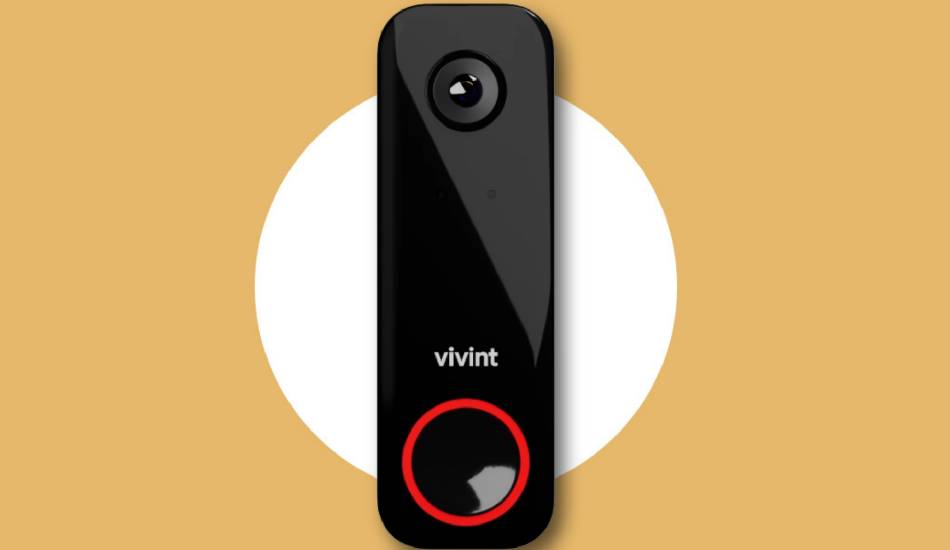
The fourth layer combines visible security measures that deter criminals before they even attempt entry. Security system signs, decals, and door/window sensors are often the first thing burglars notice, and they frequently choose easier targets when they see them. These visible deterrents work because criminals operate on cost-benefit analysis; if your home appears to have active monitoring, they'll likely move down the street to an unprotected house. Security cameras—whether monitored or not—significantly increase the perceived risk of getting caught. Position cameras at entry points, covering driveways, porches, and side yards where burglars might approach. Modern cameras with night vision, two-way audio, and cloud storage allow you to monitor your home in real-time and provide evidence if a break-in occurs. Even dummy cameras can deter some criminals, though professional-grade visible security is far more effective. Combine cameras with audible alarms that sound when doors or windows open, creating a multi-sensory deterrent that sends burglars running.
The fifth layer involves actually monitoring your home for suspicious activity, either through professional monitoring services or connected DIY systems. Professional security monitoring means trained operators respond to alerts 24/7, verifying whether a break-in is occurring and dispatching police if necessary. This layer transforms your security system from a passive deterrent into an active defense that catches intruders in real-time. Many professional monitoring services are surprisingly affordable, starting around $10-15 per month, and can dramatically reduce your homeowner's insurance premiums. Alternatively, DIY monitoring through smartphone apps and cloud-connected cameras allows you to monitor your home personally, though it requires your active attention. A hybrid approach—visible deterrents combined with professional monitoring at entry points—offers excellent protection without breaking the bank. The knowledge that your home is actively monitored, even while you're away or sleeping, provides peace of mind that passive security measures alone cannot deliver.